
World affairs | This week
Making sense of the world in transition

Lead story
Europe’s quiet strategic shift and Sweden’s new role in NATO
Across the world, quiet developments are converging around a single reality: power is being reorganised in the twenty-first century. The question is whether this transformation will bring greater stability and peace, or deepen strategic uncertainty.
Amid renewed tensions, including new threats against Iran, one development this week draws attention to Europe’s evolving security landscape: Sweden’s growing role within NATO.
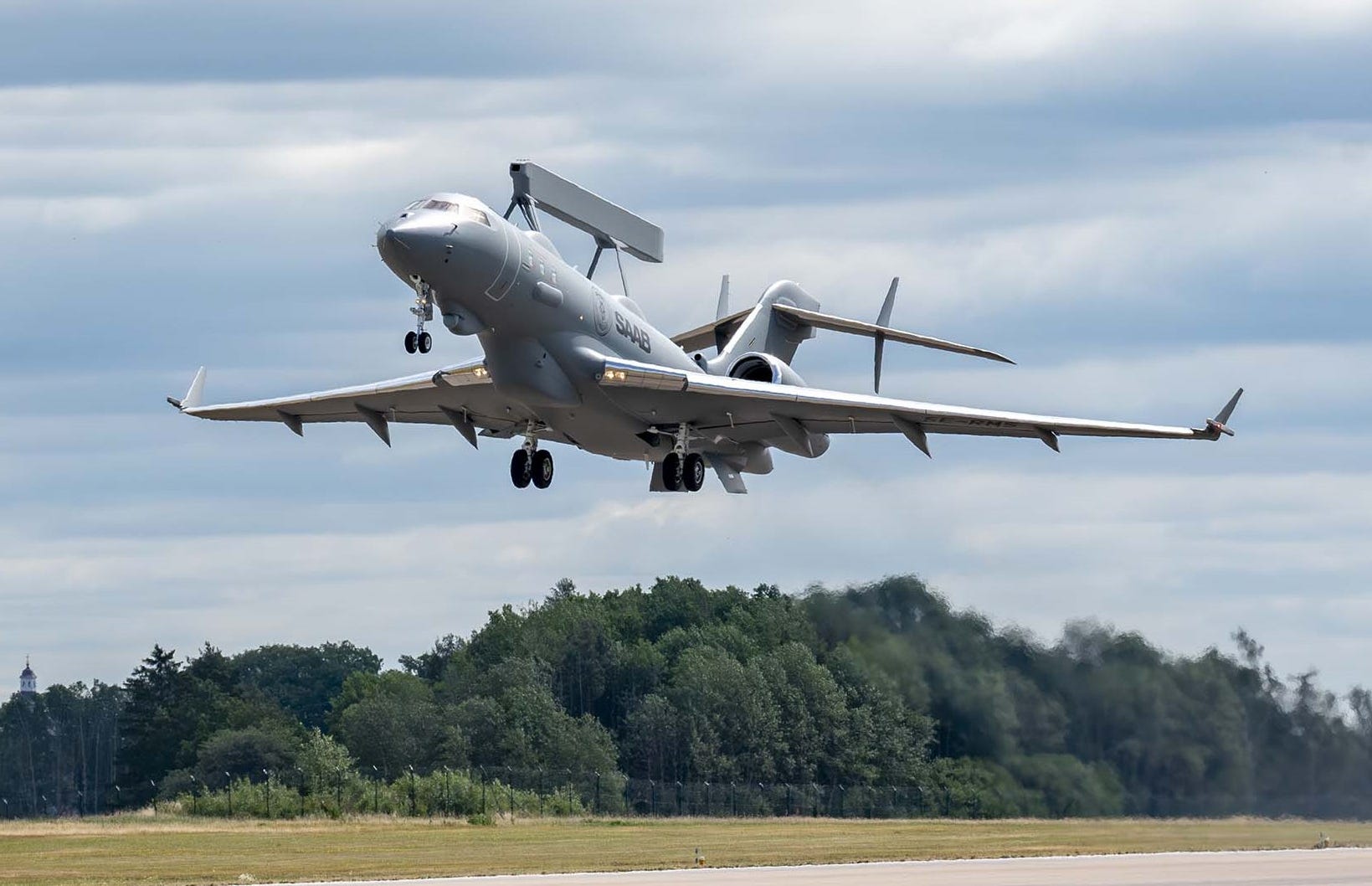
NATO is reported to be moving toward the acquisition of Swedish airborne surveillance and air-policing technologies (Dagens Nyheter, 7 July 2026).1 The Swedish government confirmed yesterday at a press conference that NATO had selected Sweden’s airborne surveillance and early warning system. 2 The development represents more than another step in Sweden’s integration into the Alliance; it signals a gradual redistribution of strategic responsibility within Europe itself.
For three decades after the Cold War, NATO’s collective defence has depended heavily on American capabilities: intelligence and logistics, airborne early-warning and command systems. Yesterday’s announcement by Sweden’s government of the agreement marks another step toward a more shared distribution of responsibility within the Alliance. That old architecture is now evolving.
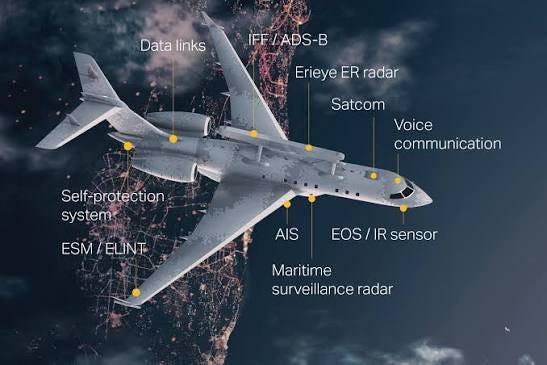
Sweden’s contribution strengthens Europe’s ability to monitor and defend its own airspace while remaining firmly integrated within NATO’s collective command structure. It also reinforces the strategic importance of the Baltic Sea and the High North 3 regions that have become central to European security since Russia’s full-scale invasion of Ukraine.
The significance of the event extends beyond defence planning. It reflects a growing recognition that Europe’s long-term security requires stronger European capabilities alongside continued transatlantic cooperation.
In August 2024, speaking at the Prague Globsec Security Conference under the theme “How to Calm the Storm,” European Commission President Ursula von der Leyen argued: “If we want true peace, we must fundamentally rethink the foundation of Europe’s security architecture.”4
Europe’s response has not been limited to increased defence spending. It has also focused on the technologies that define modern security: surveillance, intelligence, integrated air defence, and advanced command-and-control systems.
This gradual transformation marks one of the clearest signs that the international order is entering a new phase. The question is no longer whether Europe can contribute more to its own defence. The question is how responsibility within the Alliance will continue to evolve.
Conflict Monitor
Eastern Europe
The war in Ukraine remains the defining conflict shaping European security.
Long-range strikes, continued military pressure, and diplomatic deadlock underline that the war has become a prolonged contest over sovereignty, deterrence, and the future of Europe’s security order.
Middle East
The region continues to experience overlapping crises. Hamas’s reported plan to transfer civil administration in Gaza has been viewed by some observers as a possible opening for political transition.
However, without agreement on issues such as disarmament and Israeli withdrawal, the path toward lasting stability remains uncertain. Military, political, and humanitarian pressures continue to reinforce one another.
South Asia
Strategic competition continues to shape South Asia’s politics. Expanding engagement by major powers are influencing policy choices, while smaller states like Bangladesh is under pressure to seek to balance development needs with strategic autonomy.
East Asia
The Taiwan Strait, the South China Sea, and the Korean Peninsula remain major security flashpoints. Military modernisation, technological competition, and diplomatic rivalry continue to define the region’s strategic landscape.
Africa
Security challenges remain concentrated around fragile institutions, insurgencies, and competition over resources. Humanitarian concerns persist alongside expanding geopolitical competition among external powers.
The Sahel
Mali, Burkina Faso, and Niger continue to redefine their security partnerships while confronting persistent insurgencies and political instability.
Latin America
Regional security is increasingly shaped by organised crime, migration, humanitarian pressures, and governance challenges rather than conventional military conflict.
Strategic watch
Power beyond the battlefield
This week’s developments reveal that strategic competition of the world powers is expanding beyond traditional military arenas.
China continues to project influence not only through trade and infrastructure but also through culture, science, technology, and institutional partnerships. The growing use of museums, academic exchanges, training programmes for young bureaucrats, and heritage diplomacy reflects a broader understanding: influence is exercised not only through power, but through ideas, identity, and institutions.
In the twenty-first century, the struggle for influence is no longer waged only on battlefields. It is also fought through knowledge and the absence of knowledge, through the preservation of culture and the rejection of it, and through the power to shape how nations imagine, think and ultimately build their future.
References:
Dagens Nyheter, 7 July 2026
Eegeringen.se, Pressträff 7 juli 2026
High North indicates northernmost parts of Europe and the Arctic
https://ec.europa.eu/commission/presscorner/detail/ro/speech_24_4481